
Why Corrugated Metal Roof Solar Mounts Belong on the Wave Crests
September 25, 2026
Corrugated metal roofs are widely used on commercial, industrial, agricultural, and utility buildings because they combine structural efficiency with relatively low material weight. When we install photovoltaic arrays on these roofs, however, the attachment point becomes a critical engineering decision. For a corrugated metal roof solar mount, placing the attachment on the wave crest is often essential because it keeps the fixing away from drainage paths and supports a more reliable weatherproof connection.
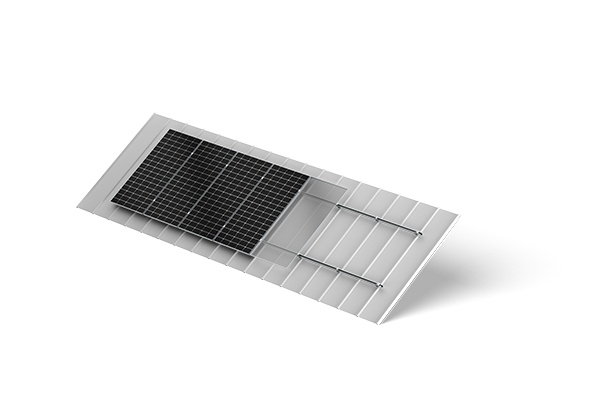
In contrast, the crest—the raised portion of the sheet—sits above the primary water flow path. Fastening at this elevation keeps the penetration clear of standing or running water, significantly reducing leak potential. Additionally, the crest offers better structural engagement with the underlying support, improving load transfer and long-term fastener retention in roofing applications.
That does not mean a crest penetration is automatically watertight. Roof thickness, fastener type, substrate, gasket design, torque, and installation workmanship all affect the final seal. Installation manuals should therefore govern the exact fastening method. For commercial projects, we should also verify the roof manufacturer’s requirements before drilling or modifying the sheet.
The correct load path still depends on the roof system. Some applications permit fastening to the sheet, while others require connection to purlins or another supporting substrate. We should never assume that every corrugated roof can carry PV loads through the sheet alone. Structural calculations and manufacturer-approved attachment details remain necessary for load-critical projects.
Water sealing is equally important during installation. Some systems use EPDM gaskets or integrated sealing components, while others specify particular fasteners and installation procedures. We should follow the selected system’s instructions rather than combining components without engineering approval.
Before selecting a corrugated metal roof solar mount, we should document the roof profile and dimensions, identify the supporting structure, confirm the panel and rail requirements, and review local wind and snow design criteria. This process helps prevent the common mistake of selecting a bracket based only on visual similarity. It also gives the engineering team a clearer basis for estimating attachment spacing, checking roof capacity, and coordinating installation drawings. For procurement teams, documenting these inputs early can reduce unsuitable component selections, site changes, and delays after materials have already been delivered. It can also make supplier coordination and technical review more efficient.
Before installation, it is essential to assess the roof profile, load-bearing structure, attachment method, sealing requirements, and relevant design criteria. With the right attachment system and disciplined installation practice, commercial PV teams can protect roof performance while creating a dependable foundation for solar generation.
Why the Crest Is the Preferred Attachment Point
A corrugated sheet consists of repeating high and low sections. The troughs form natural channels where rainwater travels toward the roof edge. A mounting fastener placed in these low areas therefore sits directly in the roof’s drainage plane. That creates an avoidable waterproofing risk, especially when penetrations are required.In contrast, the crest—the raised portion of the sheet—sits above the primary water flow path. Fastening at this elevation keeps the penetration clear of standing or running water, significantly reducing leak potential. Additionally, the crest offers better structural engagement with the underlying support, improving load transfer and long-term fastener retention in roofing applications.
Crest Installation Helps Protect Water Management
The most immediate benefit of crest mounting is separation from the primary water path. A correctly selected bracket sits above the valley and allows the roof profile to continue performing its drainage function. Top-fixed brackets of this type are designed to fasten high on the ribs and out of the water plane.That does not mean a crest penetration is automatically watertight. Roof thickness, fastener type, substrate, gasket design, torque, and installation workmanship all affect the final seal. Installation manuals should therefore govern the exact fastening method. For commercial projects, we should also verify the roof manufacturer’s requirements before drilling or modifying the sheet.
Better Load Transfer Starts With the Roof Profile
Solar arrays introduce dead loads as well as wind-related uplift and other project-specific forces. The mounting interface must transfer these forces into the roof structure without unnecessarily deforming the sheet. A bracket designed around the crest can provide a defined contact geometry and keep the attachment away from the unsupported low portion of the corrugation.The correct load path still depends on the roof system. Some applications permit fastening to the sheet, while others require connection to purlins or another supporting substrate. We should never assume that every corrugated roof can carry PV loads through the sheet alone. Structural calculations and manufacturer-approved attachment details remain necessary for load-critical projects.
Crest Mounting Also Supports Cleaner Installation
For installers, working on the high point of the profile can simplify alignment between the roof attachment and the PV rail. Purpose-designed brackets may include slots or pre-assembled components that provide adjustment during rail installation. This matters on large commercial roofs, where small alignment errors can multiply across long module rows.Water sealing is equally important during installation. Some systems use EPDM gaskets or integrated sealing components, while others specify particular fasteners and installation procedures. We should follow the selected system’s instructions rather than combining components without engineering approval.
Crest Does Not Mean One Mount Fits Every Corrugated Roof
“Corrugated” describes a family of roof profiles, not one universal geometry. Wave height, pitch, sheet thickness, material, support spacing, and roof construction can differ substantially between buildings. A mounting bracket that fits one profile may be unsuitable for another.Before selecting a corrugated metal roof solar mount, we should document the roof profile and dimensions, identify the supporting structure, confirm the panel and rail requirements, and review local wind and snow design criteria. This process helps prevent the common mistake of selecting a bracket based only on visual similarity. It also gives the engineering team a clearer basis for estimating attachment spacing, checking roof capacity, and coordinating installation drawings. For procurement teams, documenting these inputs early can reduce unsuitable component selections, site changes, and delays after materials have already been delivered. It can also make supplier coordination and technical review more efficient.
How We Approach Metal Roof Solar Solutions
At Antaisolar, we design our metal roof solutions around different roof profiles, including Kliplok, trapezoidal, and standing seam types. Our Base & Rail System is made from AL6006-T6 aluminum alloy and uses pre-assembled parts to simplify installation. We also offer a Mini Rail approach that can reduce rail material use. For a corrugated metal roof solar mount project, we match the mounting configuration to the actual roof rather than treating every metal sheet as identical.A Safer Mounting Decision for Commercial Projects
For us, crest installation is fundamentally about controlling water exposure, attachment geometry, and load transfer at the same time. The crest is generally the logical location for top-fixed attachments because it keeps penetrations away from the roof’s drainage channel. Yet “crest only” should never replace project-specific engineering.Before installation, it is essential to assess the roof profile, load-bearing structure, attachment method, sealing requirements, and relevant design criteria. With the right attachment system and disciplined installation practice, commercial PV teams can protect roof performance while creating a dependable foundation for solar generation.
end