
Choosing Corrosion-Resistant Finishes for Solar Carport Structures: HDG vs. Anodized Aluminum
September 24, 2026
Corrosion is a long-term concern for any solar structure exposed to rain, humidity, temperature changes, and pollutants. For commercial parking facilities and other solar carport projects, material and surface treatment can directly influence structural durability, maintenance requirements, and lifecycle value. Two widely considered approaches are hot-dip galvanized steel and anodized aluminum. Understanding how each protects against corrosion helps us make better engineering and procurement decisions.
The U.S. Department of Energy identifies corrosion as an important consideration for solar PV systems because different metals may be combined within the same structure. Galvanic corrosion can occur when dissimilar metals are electrically connected in the presence of an electrolyte. Therefore, material selection must consider not only the primary frame but also fasteners and bonding components.
Its major advantage is that protection is not limited to acting as a simple barrier. Zinc also provides cathodic protection, meaning it can preferentially corrode and protect exposed steel when small areas of the underlying steel become damaged. A naturally developing zinc patina provides another protective layer during outdoor exposure.
For solar structures using steel as a primary material, this combination can make HDG an attractive solution where mechanical strength and robust outdoor corrosion protection are priorities.
This oxide layer has greater corrosion and abrasion resistance than untreated aluminum. However, anodizing is not a single universal specification. Alloy, temper, anodic oxide type, coating thickness, surface preparation, and environmental exposure all affect the final result. The Aluminum Anodizers Council recommends considering these factors when specifying anodized aluminum for an application.
For steel structures, HDG combines corrosion protection with steel's structural characteristics. For aluminum structures, anodizing can enhance the surface's corrosion and abrasion resistance while retaining aluminum's material advantages.
We should also examine the environment. Coastal or highly humid locations can place greater demands on corrosion protection. The AAC specifically identifies marine, industrial, automotive, and other corrosive environments as factors when specifying anodized aluminum finishes.
For anodized aluminum, coating thickness is an important specification. AAC references coating thickness in microns or mils and distinguishes different finish classes according to performance requirements. Its reference information also shows that thicker anodic finishes generally provide greater resistance to corrosion and abrasion.
This makes documented specifications more useful than relying on a generic material description.
The Department of Energy warns that galvanic corrosion risk increases when dissimilar metals are positioned farther apart in the galvanic series. It also notes that inappropriate fastener selection can affect both component durability and electrical bonding reliability.
We should therefore evaluate the entire connection strategy instead of selecting a corrosion-resistant primary frame and overlooking interfaces. Isolation methods, compatible fasteners, drainage, and appropriate grounding design can all contribute to long-term reliability.
For procurement teams, the comparison should extend beyond initial material price. A lighter material may affect transportation and installation, while a particular fabrication process may affect manufacturing cost. Similarly, stronger corrosion protection can be valuable where maintenance access is difficult.
A practical evaluation therefore considers total lifecycle performance rather than treating the surface finish as an isolated purchasing decision.
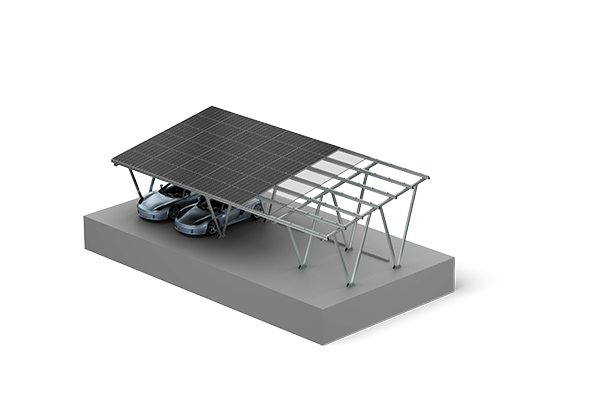
Our W Shape solution is designed as a cost-effective structure with strong structural integrity. It offers high load-bearing capacity, stability, and flexible installation, making it suitable for applications including solar carport mounting, carport solar mounting systems, residential solar carports, and carport installations.
For a solar carport mounting system, the strongest procurement decision comes from matching material, finish, connections, and site conditions as one system. By evaluating these factors together, we can achieve a more reliable structure and make lifecycle performance a measurable part of project value.
Why Corrosion Protection Matters in Solar Structures
A solar carport mounting system operates outdoors for years, often under continuously changing environmental conditions. Moisture can reach structural surfaces and connections, while coastal salt, industrial pollutants, and accumulated dirt can accelerate corrosion.The U.S. Department of Energy identifies corrosion as an important consideration for solar PV systems because different metals may be combined within the same structure. Galvanic corrosion can occur when dissimilar metals are electrically connected in the presence of an electrolyte. Therefore, material selection must consider not only the primary frame but also fasteners and bonding components.
How Hot-Dip Galvanizing Protects Steel
Hot-dip galvanizing (HDG) protects steel by immersing fabricated steel components in molten zinc. The process creates a metallurgically bonded zinc coating consisting of zinc-iron alloy layers and an outer zinc layer.Its major advantage is that protection is not limited to acting as a simple barrier. Zinc also provides cathodic protection, meaning it can preferentially corrode and protect exposed steel when small areas of the underlying steel become damaged. A naturally developing zinc patina provides another protective layer during outdoor exposure.
For solar structures using steel as a primary material, this combination can make HDG an attractive solution where mechanical strength and robust outdoor corrosion protection are priorities.
How Anodized Aluminum Resists Corrosion
Anodizing works differently because it treats aluminum rather than coating steel with zinc. The electrochemical process converts the aluminum surface into an integrated aluminum oxide layer. Unlike a conventional coating applied on top of a substrate, the anodic oxide is formed from the aluminum itself.This oxide layer has greater corrosion and abrasion resistance than untreated aluminum. However, anodizing is not a single universal specification. Alloy, temper, anodic oxide type, coating thickness, surface preparation, and environmental exposure all affect the final result. The Aluminum Anodizers Council recommends considering these factors when specifying anodized aluminum for an application.
HDG vs. Anodized Aluminum: What Should Buyers Compare?
The first comparison should be the underlying structural material. HDG is a corrosion-protection method for steel, while anodizing is a surface treatment for aluminum. They therefore should not be evaluated as interchangeable coatings.For steel structures, HDG combines corrosion protection with steel's structural characteristics. For aluminum structures, anodizing can enhance the surface's corrosion and abrasion resistance while retaining aluminum's material advantages.
We should also examine the environment. Coastal or highly humid locations can place greater demands on corrosion protection. The AAC specifically identifies marine, industrial, automotive, and other corrosive environments as factors when specifying anodized aluminum finishes.
Coating Quality and Specification Matter
Simply stating "galvanized" or "anodized" is not enough for a professional procurement specification. For HDG, buyers should define the applicable galvanizing standard and coating requirements. Fabrication details also matter because drainage and venting during galvanizing can influence processing quality.For anodized aluminum, coating thickness is an important specification. AAC references coating thickness in microns or mils and distinguishes different finish classes according to performance requirements. Its reference information also shows that thicker anodic finishes generally provide greater resistance to corrosion and abrasion.
This makes documented specifications more useful than relying on a generic material description.
Don't Ignore Connections and Galvanic Corrosion
A solar carport is an assembled system rather than a single material. Steel, aluminum, stainless steel fasteners, grounding components, and other metals may come into contact.The Department of Energy warns that galvanic corrosion risk increases when dissimilar metals are positioned farther apart in the galvanic series. It also notes that inappropriate fastener selection can affect both component durability and electrical bonding reliability.
We should therefore evaluate the entire connection strategy instead of selecting a corrosion-resistant primary frame and overlooking interfaces. Isolation methods, compatible fasteners, drainage, and appropriate grounding design can all contribute to long-term reliability.
Selecting the Right Approach for Project Conditions
There is no universal winner between HDG steel and anodized aluminum. The better choice depends on structural requirements, environmental exposure, design loads, fabrication processes, transportation, installation practices, and lifecycle objectives.For procurement teams, the comparison should extend beyond initial material price. A lighter material may affect transportation and installation, while a particular fabrication process may affect manufacturing cost. Similarly, stronger corrosion protection can be valuable where maintenance access is difficult.
A practical evaluation therefore considers total lifecycle performance rather than treating the surface finish as an isolated purchasing decision.
Our Carport Solutions for Long-Term Performance
At Antaisolar, we provide Carport Solutions designed to combine vehicle protection with solar energy generation for residential, commercial, and EV charging applications. Our solar carport mounting systems use rugged aluminum frames and integrate solar generation into shaded parking areas.Our W Shape solution is designed as a cost-effective structure with strong structural integrity. It offers high load-bearing capacity, stability, and flexible installation, making it suitable for applications including solar carport mounting, carport solar mounting systems, residential solar carports, and carport installations.
Making Corrosion Resistance a Design Decision
Corrosion protection should be considered from the earliest design stage rather than treated as a finishing detail after the structure has been selected. HDG provides steel with barrier, cathodic, and patina-based protection, while anodizing creates an integrated protective oxide layer on aluminum.For a solar carport mounting system, the strongest procurement decision comes from matching material, finish, connections, and site conditions as one system. By evaluating these factors together, we can achieve a more reliable structure and make lifecycle performance a measurable part of project value.
end