
Where Solar Array Trackers Deliver the Most Value in Utility-Scale Projects
September 13, 2026
Utility-scale solar projects are increasingly designed around energy yield, land efficiency, operating reliability, and long-term project economics. A solar array tracker can support these goals by changing module orientation throughout the day instead of keeping panels at a fixed angle. For developers, EPC contractors, and asset owners, the key question is not simply whether tracking works, but where it creates the strongest project value and how the technology should be matched to site conditions.
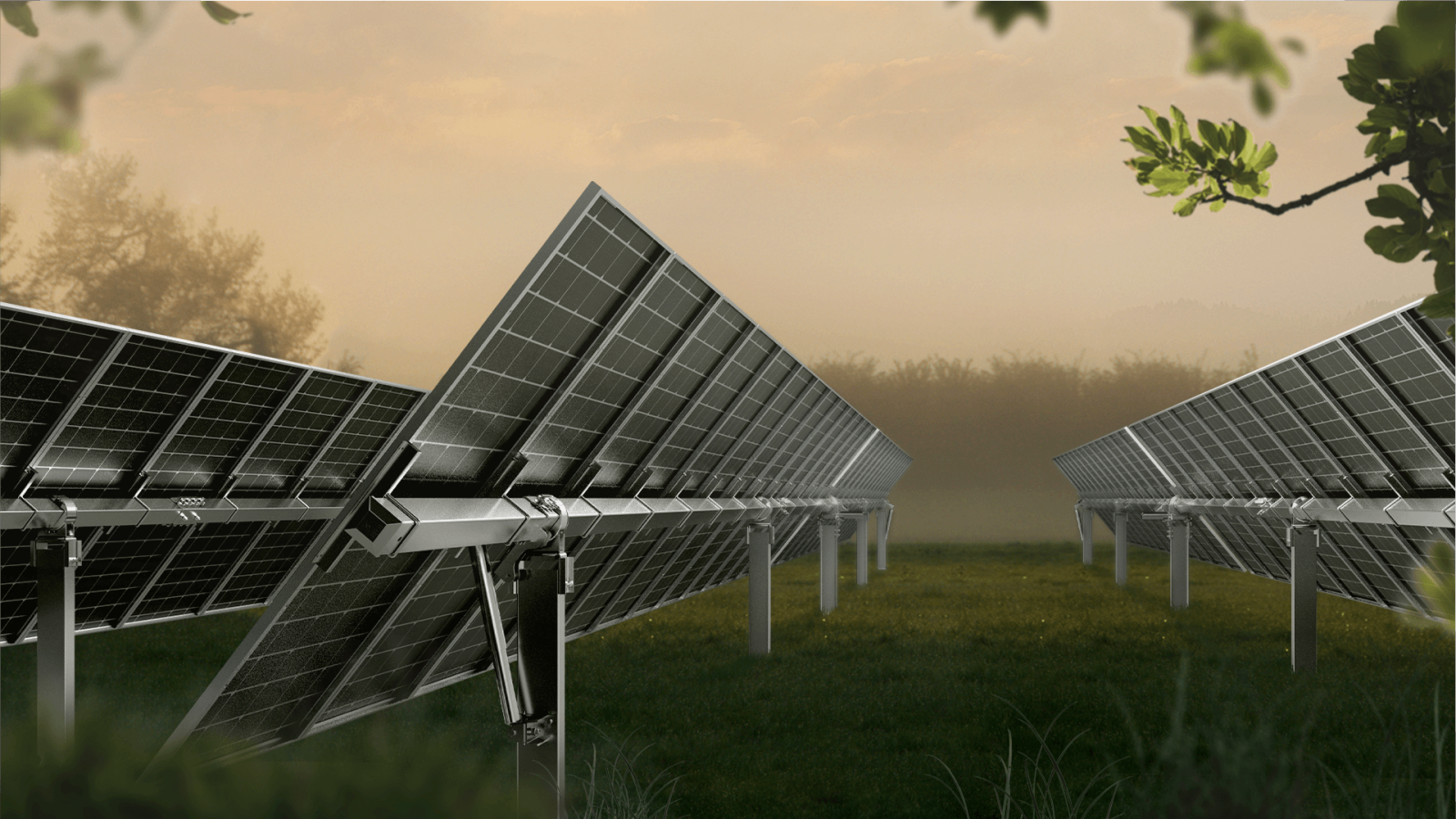
For large projects, the scale of the array makes incremental energy gains particularly important. A well-designed solar array tracker can continuously adjust module orientation, helping the plant capture sunlight across more hours of the day. This makes tracking especially relevant where developers are evaluating lifetime energy production against additional equipment and operating requirements.
We designed our TAI-Simple specifically around this commercial consideration. Our single slew-drive, single-axis independent 1P system is positioned as an LCOE-optimizing tracker, combining energy-yield potential with simplified mechanical architecture. We believe this balance is particularly valuable for developers seeking a practical route to stronger long-term project returns.
Our TAI-Simple supports commercial modules in 210, 182, and 166 formats, according to our published technical documentation. The system can accommodate up to 90 modules depending on module size, providing flexibility for different plant configurations. It is also designed for compatibility with bifacial modules, allowing project teams to consider tracking and module technology together.
TAI-Simple is designed with terrain adaptability in mind. Its published specifications allow north-south slope tolerance of up to 20%, or 11 degrees. Foundation options include ramming, pre-drilling, concrete piles, and PHC solutions, allowing engineering teams to select an approach according to ground conditions.
Our TAI-Simple incorporates a multi-damping design intended to improve stability under dynamic loads. The current published product information specifies allowable wind speeds of up to 55 m/s under ASCE 7-10 conditions. Its tracking system also includes nighttime stow and backtracking functions, while the stow position can be configured according to project requirements.
These features demonstrate why tracker selection should be integrated with site-specific structural engineering rather than treated as a simple equipment procurement decision.
We developed TAI-Simple with pre-assembled and standardized components to simplify installation. Our product information states that its optimized column layout can reduce piling requirements and construction volume, while pre-assembly can support faster deployment. Antaisolar also provides engineering support through AT SolarAID, helping our team deliver project-specific solutions efficiently.
For EPC contractors managing large sites, these characteristics can help reduce installation workload while maintaining a repeatable construction process.
We therefore approach tracker selection as an engineering exercise rather than a one-size-fits-all decision. Our TAI-Simple offers a single-axis independent 1P configuration, a rotation range of up to ±60°, approximately ±2° tracking accuracy, and a 24V DC motor. Its control architecture supports astronomical and intelligent tracking algorithms, with wireless or wired communication options.
At Antaisolar, we combine tracker engineering with project-oriented support. Our TAI-Simple provides a practical single-axis solution designed around LCOE optimization, flexible site deployment, and efficient installation. With our AT SolarAID engineering capability, we work to tailor tracker solutions to individual project requirements, helping developers and EPC teams turn tracking technology into measurable long-term project value.
1. Large, Open Utility-Scale Solar Plants
The most established application for tracking technology is the large ground-mounted photovoltaic plant. NREL reported that single-axis tracking accounted for 77% of U.S. utility-scale PV systems at the end of 2021, while 89% of utility-scale systems installed during 2021 used single-axis tracking. NREL attributed this growth partly to declining tracker costs and improving reliability.For large projects, the scale of the array makes incremental energy gains particularly important. A well-designed solar array tracker can continuously adjust module orientation, helping the plant capture sunlight across more hours of the day. This makes tracking especially relevant where developers are evaluating lifetime energy production against additional equipment and operating requirements.
2. Projects Focused on Lower LCOE
Levelized cost of energy is a central metric for utility-scale developers and investors. Increasing energy production can improve the economics of a project when the additional generation outweighs the tracker system's added capital, installation, and maintenance requirements.We designed our TAI-Simple specifically around this commercial consideration. Our single slew-drive, single-axis independent 1P system is positioned as an LCOE-optimizing tracker, combining energy-yield potential with simplified mechanical architecture. We believe this balance is particularly valuable for developers seeking a practical route to stronger long-term project returns.
3. Sites Using Large-Format and Bifacial Modules
Modern utility-scale projects increasingly use large-format modules, creating new requirements for tracker compatibility. A solar array tracker must accommodate module dimensions while maintaining appropriate structural performance, mechanical movement, and electrical integration.Our TAI-Simple supports commercial modules in 210, 182, and 166 formats, according to our published technical documentation. The system can accommodate up to 90 modules depending on module size, providing flexibility for different plant configurations. It is also designed for compatibility with bifacial modules, allowing project teams to consider tracking and module technology together.
4. Projects With Uneven or Challenging Terrain
Tracker deployment is not limited to perfectly flat land. Terrain conditions can significantly influence foundation quantities, construction work, row layout, and tracker performance. Consequently, developers should evaluate slope tolerance during early system selection rather than assuming that every tracker will perform equally on a given site.TAI-Simple is designed with terrain adaptability in mind. Its published specifications allow north-south slope tolerance of up to 20%, or 11 degrees. Foundation options include ramming, pre-drilling, concrete piles, and PHC solutions, allowing engineering teams to select an approach according to ground conditions.
5. High-Wind Utility Solar Installations
Extreme weather is another important application consideration. Large PV arrays can present substantial exposed surface area, so structural stability and protective control strategies become critical in locations affected by strong winds.Our TAI-Simple incorporates a multi-damping design intended to improve stability under dynamic loads. The current published product information specifies allowable wind speeds of up to 55 m/s under ASCE 7-10 conditions. Its tracking system also includes nighttime stow and backtracking functions, while the stow position can be configured according to project requirements.
These features demonstrate why tracker selection should be integrated with site-specific structural engineering rather than treated as a simple equipment procurement decision.
6. Utility Projects Where Installation Speed Matters
Construction schedules directly affect financing, labor coordination, and commercial operation dates. A tracker that reduces on-site complexity can therefore provide value beyond its energy-generation function.We developed TAI-Simple with pre-assembled and standardized components to simplify installation. Our product information states that its optimized column layout can reduce piling requirements and construction volume, while pre-assembly can support faster deployment. Antaisolar also provides engineering support through AT SolarAID, helping our team deliver project-specific solutions efficiently.
For EPC contractors managing large sites, these characteristics can help reduce installation workload while maintaining a repeatable construction process.
Selecting the Right Tracking Application
Not every utility-scale project should automatically use the same tracking configuration. Solar resource, terrain, wind and snow conditions, module selection, land constraints, energy prices, construction costs, and expected operating life all influence the business case.We therefore approach tracker selection as an engineering exercise rather than a one-size-fits-all decision. Our TAI-Simple offers a single-axis independent 1P configuration, a rotation range of up to ±60°, approximately ±2° tracking accuracy, and a 24V DC motor. Its control architecture supports astronomical and intelligent tracking algorithms, with wireless or wired communication options.
Turning Tracking Technology Into Project Value
Solar array trackers are particularly valuable in utility-scale projects where higher energy yield, land utilization, LCOE optimization, and scalable construction can justify the additional system complexity. Their strongest applications include large open PV plants, projects using modern large-format or bifacial modules, challenging terrain, high-wind environments, and developments where construction efficiency is commercially important.At Antaisolar, we combine tracker engineering with project-oriented support. Our TAI-Simple provides a practical single-axis solution designed around LCOE optimization, flexible site deployment, and efficient installation. With our AT SolarAID engineering capability, we work to tailor tracker solutions to individual project requirements, helping developers and EPC teams turn tracking technology into measurable long-term project value.
end