
Water-Surface Solar Racking: Corrosion Protection for Fishery PV Projects
September 16, 2026
Fishery-solar projects create a valuable dual-use model: photovoltaic generation above water while aquaculture continues below. For project developers and EPC teams, however, mounting structures over ponds face environmental conditions that differ sharply from ordinary land-based arrays. Persistent humidity, splash, condensation, salts, and changing water levels can accelerate material degradation. A successful design therefore requires corrosion protection to be treated as a core structural consideration, not an afterthought.
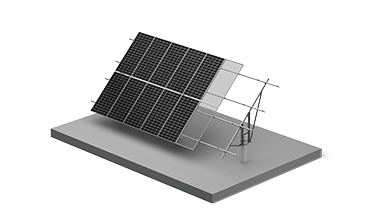
That environment creates a persistent moisture load around structural components. The U.S. Department of Energy notes that severe corrosive environments can accelerate corrosion of PV components, including racking systems, fasteners, module frames, connectors, and other metal parts. For a water-surface installation, engineers should therefore evaluate exposure conditions rather than simply transferring a standard land-mount specification to the site.
For steel components, protective metallic coatings can provide a barrier against the environment. Hot-dip galvanizing is widely used because zinc provides both barrier and sacrificial protection when exposed steel is present. Zinc-aluminum-magnesium coatings are another option used in solar mounting applications. Aluminum and stainless-steel components can also be considered where their material properties and corrosion resistance fit the project's conditions.
Connections deserve particular attention. Cutting, drilling, welding, or field modification can damage protective layers and expose vulnerable metal. EPC teams should define approved installation methods and repair procedures before construction begins. Fastener selection should also be compatible with the surrounding materials and exposure class, rather than being treated as a minor accessory decision.
Fishery-solar projects may not always use floating structures, but the engineering lesson remains relevant: environmental loads should be evaluated as an interconnected system. A corrosion-resistant structure still needs adequate foundations, bracing, connection strength, and drainage. Site surveys should document water chemistry, salinity where relevant, soil or sediment conditions, prevailing winds, water-level changes, and maintenance access.
Those findings do not mean one coverage ratio is suitable for every pond. Species, climate, pond depth, water exchange, operating practices, and array configuration all matter. Leaving suitable access corridors and maintaining appropriate spacing can also support inspection, feeding, maintenance, and other operational activities.
Maintenance planning should also account for aquaculture operations. Access equipment, inspection routes, electrical safety, and work around operating ponds should be considered during design. The IEA PVPS emphasizes that water-based PV requires application-specific monitoring and O&M planning because degradation mechanisms and environmental stressors differ from conventional ground-mounted PV.
The key takeaway is simple: water-surface PV should be engineered around its environment. Corrosion protection, structural detailing, environmental loads, aquaculture requirements, and maintenance access need to be considered together. By applying that integrated approach, developers can reduce avoidable degradation risks and build more dependable solar assets while preserving the operational goals of the fishery site.
Why Water-Surface Conditions Change the Racking Challenge
Fishery PV is commonly deployed over aquaculture ponds and other shallow water bodies, with fixed piles supporting the modules in many projects. Research on Chinese fishery-solar installations shows that array geometry, pile spacing, water depth, and panel height must be considered together with the aquaculture environment. One coastal pond project used pile foundations, 7.8-meter row spacing, 5-meter pile spacing, and panels about 2.35 to 3.02 meters above the water.That environment creates a persistent moisture load around structural components. The U.S. Department of Energy notes that severe corrosive environments can accelerate corrosion of PV components, including racking systems, fasteners, module frames, connectors, and other metal parts. For a water-surface installation, engineers should therefore evaluate exposure conditions rather than simply transferring a standard land-mount specification to the site.
Corrosion Protection Starts with Material Selection
Material selection is one of the most important decisions for ground mount solar racking adapted to water-adjacent or water-surface applications. Steel and aluminum can both be suitable, but their performance depends on alloy, protective treatment, connection details, environmental exposure, and maintenance requirements. The objective is to maintain structural capacity throughout the planned service period while limiting inspection and replacement risks.For steel components, protective metallic coatings can provide a barrier against the environment. Hot-dip galvanizing is widely used because zinc provides both barrier and sacrificial protection when exposed steel is present. Zinc-aluminum-magnesium coatings are another option used in solar mounting applications. Aluminum and stainless-steel components can also be considered where their material properties and corrosion resistance fit the project's conditions.
Design Details Matter as Much as Coatings
A durable coating cannot compensate for poor structural detailing. Water can accumulate around horizontal surfaces, joints, fasteners, and crevices, creating localized conditions that accelerate deterioration. Designers should minimize water traps, provide appropriate drainage, and avoid unnecessary contact between dissimilar metals that can contribute to galvanic corrosion.Connections deserve particular attention. Cutting, drilling, welding, or field modification can damage protective layers and expose vulnerable metal. EPC teams should define approved installation methods and repair procedures before construction begins. Fastener selection should also be compatible with the surrounding materials and exposure class, rather than being treated as a minor accessory decision.
Water, Wind, and Movement Need Integrated Design
Corrosion is only one part of reliability over water. The structure must also handle wind actions, water-level variation, and other site-specific loads. The International Energy Agency Photovoltaic Power Systems Programme identifies humid and corrosive environments as a specific stressor for steel and aluminum mounting components in floating PV, while wind, waves, currents, and changing water levels can create additional mechanical stresses.Fishery-solar projects may not always use floating structures, but the engineering lesson remains relevant: environmental loads should be evaluated as an interconnected system. A corrosion-resistant structure still needs adequate foundations, bracing, connection strength, and drainage. Site surveys should document water chemistry, salinity where relevant, soil or sediment conditions, prevailing winds, water-level changes, and maintenance access.
Balance Solar Coverage with Aquaculture Requirements
Structural engineering should be coordinated with the biological requirements of the fishery operation. PV arrays change the amount of sunlight reaching the water and can alter local temperature, wind, and water-quality conditions. A 2024 study of a coastal aquaculture pond in southeastern China found that PV coverage reduced solar radiation and water temperature while also changing wind speed and several water-quality indicators.Those findings do not mean one coverage ratio is suitable for every pond. Species, climate, pond depth, water exchange, operating practices, and array configuration all matter. Leaving suitable access corridors and maintaining appropriate spacing can also support inspection, feeding, maintenance, and other operational activities.
Plan Inspection and Maintenance from the Start
Even well-protected structures require a maintenance strategy. Operators should establish inspection points around piles, fasteners, joints, coating transitions, and locations exposed to splash or standing moisture. Early signs such as coating damage, discoloration, white corrosion products on galvanized surfaces, or unexpected rust should trigger investigation before structural deterioration progresses.Maintenance planning should also account for aquaculture operations. Access equipment, inspection routes, electrical safety, and work around operating ponds should be considered during design. The IEA PVPS emphasizes that water-based PV requires application-specific monitoring and O&M planning because degradation mechanisms and environmental stressors differ from conventional ground-mounted PV.
How Antaisolar Approaches Long-Term Ground Mounting
We at Antaisolar provide ground solar mounting solutions for large-scale PV applications, including fishery-photovoltaic projects. Our ground mounting portfolio uses robust, corrosion-resistant materials and highly pre-assembled designs, with customized engineering for different site conditions. Our systems are designed for 25+ years of service life, with regional warranties of up to 15 years, supporting long-term project planning.The key takeaway is simple: water-surface PV should be engineered around its environment. Corrosion protection, structural detailing, environmental loads, aquaculture requirements, and maintenance access need to be considered together. By applying that integrated approach, developers can reduce avoidable degradation risks and build more dependable solar assets while preserving the operational goals of the fishery site.
end