
Is TAI-Simple the Right Cost-Optimized Tracker for Your Solar Project?
September 14, 2026
Utility-scale solar developers are under constant pressure to improve energy yield while controlling capital expenditure, construction time, and long-term operating costs. Choosing a tracker is therefore not simply a technology decision; it is a project economics decision. We developed TAI-Simple around this reality, combining a single slew-drive, independent 1P architecture with simplified installation and intelligent tracking. For EPC contractors, developers, and project owners, the key question is whether this balance fits the site's technical and financial priorities.
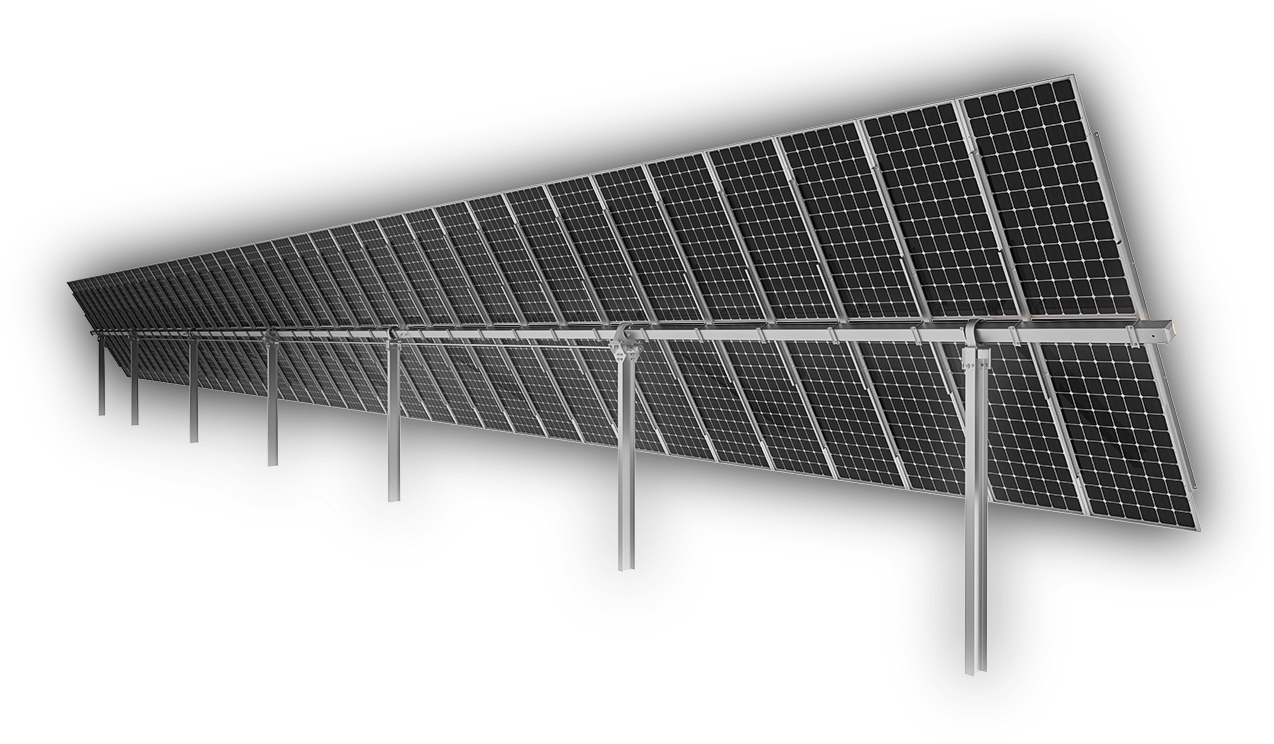
NREL's utility-scale PV research has historically evaluated one-axis trackers through both installed costs and LCOE, demonstrating why tracker economics need to be considered alongside system performance rather than as an isolated equipment expense.
For us, this lifecycle approach is central to TAI-Simple. We designed the system to simplify mechanical architecture while retaining the energy-generation benefits of single-axis tracking. The result is a solution intended to help project teams manage both upfront construction costs and recurring operational expenses.
The system's optimized column layout is another important cost consideration. Antaisolar states that TAI-Simple can reduce column quantities by up to 16%, while pre-assembly can reach up to 45%, depending on project conditions. Fewer piles and greater pre-assembly can potentially reduce earthworks, labor requirements, and installation time.
Foundation flexibility also matters when developing projects across different terrains. TAI-Simple supports ramming, pre-drilling, concrete pile, and PHC foundation options. This allows project engineering teams to select an appropriate foundation approach according to ground conditions rather than being restricted to one installation method.
Its mechanical specifications also provide substantial design flexibility. TAI-Simple has a tracker length of up to 97 meters, a rotation range of up to ±60°, and N-S slope tolerance of up to 20%, or 11°. Its allowable wind speed is up to 55 m/s according to ASCE 7-10. These specifications allow engineering teams to assess its suitability against site-specific conditions.
This does not mean TAI-Simple is automatically the best choice for every project. Sites with unusually demanding wind conditions, complex terrain, or specific structural requirements may call for another tracker architecture. We recommend evaluating terrain, wind, module configuration, foundation conditions, energy modeling, and financial assumptions before selecting the system.
The drive system provides ±2° tracking accuracy, while the drive components are designed for a 25-year lifespan. The system also uses an intelligent electronic control system that combines astronomical and intelligent algorithms to position the tracker according to operating conditions.
The controller consumes approximately 0.05 kWh per day, and the system supports wireless Zigbee mesh communication as well as Ethernet or RS485 cable communication. Backup lithium batteries are also supported for the control system. These features can help project operators monitor and manage tracker operation throughout the asset lifecycle.
Energy modeling should be evaluated alongside these construction factors. TAI-Simple supports tracking up to ±60°, backtracking, and intelligent control, helping the array follow the sun while managing shading conditions. The actual energy benefit, however, will depend on site-specific irradiance, terrain, module selection, GCR, weather, and other project variables.
We also support project teams through AT SolarAID, engineering optimization, installation training, testing, project management, and lifecycle maintenance services. For EPC contractors, developers, and owners, the right tracker is ultimately the one whose technical configuration and total lifecycle economics match the site. When those requirements align, TAI-Simple can provide a potential route toward lower installation costs and efficient operation, subject to the project's site conditions, energy model, construction assumptions, and lifecycle economics.
What Makes a Cost-Effective Solar Tracker?
A cost-effective tracker should be evaluated through the entire project lifecycle rather than its purchase price alone. Foundation work, pile quantities, installation labor, electrical infrastructure, maintenance requirements, energy yield, and long-term reliability all influence the final cost of electricity.NREL's utility-scale PV research has historically evaluated one-axis trackers through both installed costs and LCOE, demonstrating why tracker economics need to be considered alongside system performance rather than as an isolated equipment expense.
For us, this lifecycle approach is central to TAI-Simple. We designed the system to simplify mechanical architecture while retaining the energy-generation benefits of single-axis tracking. The result is a solution intended to help project teams manage both upfront construction costs and recurring operational expenses.
TAI-Simple Simplifies Installation Without Sacrificing Performance
TAI-Simple is a single slew-drive, single-axis independent tracking system designed for 1P configurations. Its standardized and pre-assembled components can reduce the amount of work required on site, helping EPC teams streamline installation and improve construction efficiency.The system's optimized column layout is another important cost consideration. Antaisolar states that TAI-Simple can reduce column quantities by up to 16%, while pre-assembly can reach up to 45%, depending on project conditions. Fewer piles and greater pre-assembly can potentially reduce earthworks, labor requirements, and installation time.
Foundation flexibility also matters when developing projects across different terrains. TAI-Simple supports ramming, pre-drilling, concrete pile, and PHC foundation options. This allows project engineering teams to select an appropriate foundation approach according to ground conditions rather than being restricted to one installation method.
Where TAI-Simple Fits Different Project Requirements
We designed TAI-Simple to accommodate commercial large-format modules, supporting up to 90 modules per tracker depending on module size. The system supports 210, 182, and 166 commercial module formats and can operate with 1000 V or 1500 V DC string voltage.Its mechanical specifications also provide substantial design flexibility. TAI-Simple has a tracker length of up to 97 meters, a rotation range of up to ±60°, and N-S slope tolerance of up to 20%, or 11°. Its allowable wind speed is up to 55 m/s according to ASCE 7-10. These specifications allow engineering teams to assess its suitability against site-specific conditions.
This does not mean TAI-Simple is automatically the best choice for every project. Sites with unusually demanding wind conditions, complex terrain, or specific structural requirements may call for another tracker architecture. We recommend evaluating terrain, wind, module configuration, foundation conditions, energy modeling, and financial assumptions before selecting the system.
Reducing O&M Costs Through Simpler Architecture
Construction savings are only one part of tracker economics. A system that requires excessive maintenance can erode the financial benefits achieved during installation. TAI-Simple therefore uses a single-point slew-drive architecture designed for reliable long-term operation.The drive system provides ±2° tracking accuracy, while the drive components are designed for a 25-year lifespan. The system also uses an intelligent electronic control system that combines astronomical and intelligent algorithms to position the tracker according to operating conditions.
The controller consumes approximately 0.05 kWh per day, and the system supports wireless Zigbee mesh communication as well as Ethernet or RS485 cable communication. Backup lithium batteries are also supported for the control system. These features can help project operators monitor and manage tracker operation throughout the asset lifecycle.
Is TAI-Simple Right for Your Solar Project?
We suggest using several commercial and engineering questions to make the decision. First, can the site's terrain and foundation conditions take advantage of TAI-Simple's optimized column arrangement? Second, does its 55 m/s allowable wind speed and slope tolerance align with the project's structural design criteria? Third, can the system's installation efficiencies translate into measurable savings in the project's EPC schedule and budget?Energy modeling should be evaluated alongside these construction factors. TAI-Simple supports tracking up to ±60°, backtracking, and intelligent control, helping the array follow the sun while managing shading conditions. The actual energy benefit, however, will depend on site-specific irradiance, terrain, module selection, GCR, weather, and other project variables.
A Practical Route to Better Tracker Economics
At Antaisolar, we see TAI-Simple as a practical answer for projects seeking a balance between energy performance, simplified construction, and lifecycle economics. Its single slew-drive independent architecture, pre-assembled components, reduced pile requirements, flexible foundations, and intelligent control system are designed around real project constraints.We also support project teams through AT SolarAID, engineering optimization, installation training, testing, project management, and lifecycle maintenance services. For EPC contractors, developers, and owners, the right tracker is ultimately the one whose technical configuration and total lifecycle economics match the site. When those requirements align, TAI-Simple can provide a potential route toward lower installation costs and efficient operation, subject to the project's site conditions, energy model, construction assumptions, and lifecycle economics.
end