
How Anchoring Bolts Secure Solar Carport Structures to the Ground
September 22, 2026
A solar carport structure must do more than support photovoltaic modules above parked vehicles. It needs to remain stable under wind, snow, vibration, and long-term environmental exposure. While columns and beams receive much of the engineering attention, anchoring bolts perform an equally important role at the foundation connection. Properly selected and installed bolts transfer structural forces into the foundation and help maintain the integrity of the entire system.
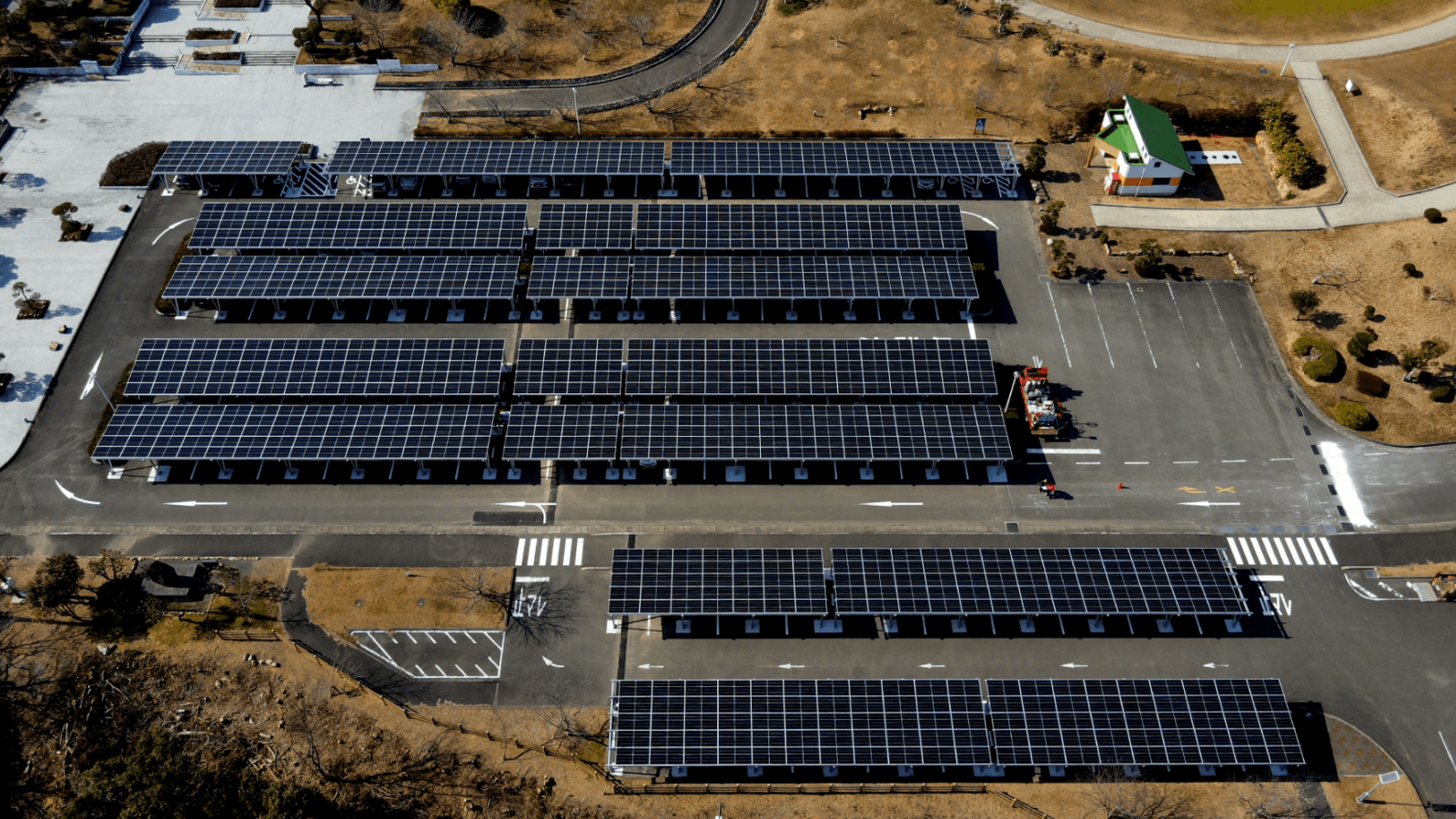
This connection must resist more than downward weight. Wind can generate uplift and lateral forces, while the roof geometry can create overturning moments around the column bases. A properly engineered anchor connection helps transfer these forces without excessive movement or connection failure.
The U.S. Department of Energy identifies fastened joints as critical components throughout PV systems, including mechanical connections between racking structures and foundations for ground and carport arrays.
When wind pushes against a solar carport structure, one side of the foundation connection may experience increased tension while another area carries compression. Anchor bolts therefore help resist uplift and stabilize the connection against rotation.
The foundation itself must also have sufficient capacity. A strong bolt cannot compensate for inadequate concrete, insufficient embedment, weak soil, or an incorrectly designed foundation. Engineers should evaluate the entire load path when determining the required connection design.
Antaisolar's published installation guidance illustrates this process: concrete blocks are prepared according to the project drawing, anchor bolts are embedded in the concrete, and their spacing follows the hole positions of the aluminum base. The supporting pole is subsequently secured to the base using these bolts.
Accuracy at this stage matters. Incorrect bolt spacing or alignment can complicate column installation, require field modifications, and potentially affect the intended structural connection.
DOE guidance highlights poor installation practices, inadequate strength, and vibration-induced loosening among causes of fastened-joint failures in PV systems. It also recommends appropriate locking mechanisms for critical structural fasteners exposed to vibration.
For project teams, installation procedures should therefore include clear torque requirements, alignment checks, inspection points, and documentation. These controls help reduce avoidable connection problems during construction and commissioning.
DOE guidance specifically recommends foundation specifications that account for wet soil conditions. Prolonged moisture exposure can contribute to corrosion and may affect foundation behavior, while freezing and expansion can create additional forces in cold climates.
For commercial solar carports, project engineers should therefore consider local geotechnical and environmental conditions before finalizing foundation and anchoring details.
The broader PV structure must also resist wind and environmental loads over decades. DOE notes that PV mounting structures should be stable and durable enough to withstand conditions such as wind, rain, hail, and corrosion.
A coordinated design approach allows structural engineers to evaluate bolts, base plates, columns, foundations, and soil as one connected system rather than treating each component separately.
Our W Shape solution is designed as a cost-effective option with strong structural integrity, high load-bearing capacity, and efficient installation. For our MetaGround-AL carport mounting system, our published specifications include anodized aluminum 6005 T6, stainless steel 304/410, and hot-dipped galvanized Q235B/Q355B steel.
Our foundation options include precast concrete, bored piers, and ground screws, allowing project teams to select an appropriate foundation approach according to site conditions and engineering requirements.
For business project teams, the most reliable approach is to evaluate the complete structural load path from the PV modules to the ground. By combining appropriate foundations with accurately engineered connections, we can create solar carport systems that provide dependable structural performance while supporting long-term clean-energy generation.
Why Anchoring Bolts Matter in Solar Carports
Anchoring bolts create the mechanical connection between the above-ground structure and its foundation. In a typical concrete foundation, bolts are embedded into the concrete and connected to the structural base plate, allowing loads from the columns to reach the foundation.This connection must resist more than downward weight. Wind can generate uplift and lateral forces, while the roof geometry can create overturning moments around the column bases. A properly engineered anchor connection helps transfer these forces without excessive movement or connection failure.
The U.S. Department of Energy identifies fastened joints as critical components throughout PV systems, including mechanical connections between racking structures and foundations for ground and carport arrays.
How Anchor Bolts Transfer Structural Loads
The effectiveness of an anchor bolt depends on the complete connection rather than the bolt alone. Loads move from modules into rails and beams, then through columns and base connections before reaching the foundation.When wind pushes against a solar carport structure, one side of the foundation connection may experience increased tension while another area carries compression. Anchor bolts therefore help resist uplift and stabilize the connection against rotation.
The foundation itself must also have sufficient capacity. A strong bolt cannot compensate for inadequate concrete, insufficient embedment, weak soil, or an incorrectly designed foundation. Engineers should evaluate the entire load path when determining the required connection design.
Embedded Bolts and Concrete Foundations
For concrete-based solar carports, anchor bolts are commonly positioned before or during foundation construction. Their location needs to correspond precisely with the holes in the structural base plate.Antaisolar's published installation guidance illustrates this process: concrete blocks are prepared according to the project drawing, anchor bolts are embedded in the concrete, and their spacing follows the hole positions of the aluminum base. The supporting pole is subsequently secured to the base using these bolts.
Accuracy at this stage matters. Incorrect bolt spacing or alignment can complicate column installation, require field modifications, and potentially affect the intended structural connection.
Installation Quality Is as Important as Bolt Selection
Even a properly designed anchor connection can underperform when installation quality is poor. Bolts need to be positioned, tightened, and inspected according to the approved engineering documentation and manufacturer's installation requirements.DOE guidance highlights poor installation practices, inadequate strength, and vibration-induced loosening among causes of fastened-joint failures in PV systems. It also recommends appropriate locking mechanisms for critical structural fasteners exposed to vibration.
For project teams, installation procedures should therefore include clear torque requirements, alignment checks, inspection points, and documentation. These controls help reduce avoidable connection problems during construction and commissioning.
Foundation Conditions Influence the Connection
Anchor bolts cannot be evaluated independently from the foundation and surrounding ground. Soil characteristics, groundwater, drainage, frost conditions, and site loads can all affect long-term foundation performance.DOE guidance specifically recommends foundation specifications that account for wet soil conditions. Prolonged moisture exposure can contribute to corrosion and may affect foundation behavior, while freezing and expansion can create additional forces in cold climates.
For commercial solar carports, project engineers should therefore consider local geotechnical and environmental conditions before finalizing foundation and anchoring details.
Designing for Long-Term Stability
Solar carports are long-term infrastructure, so the connection should be designed for expected environmental exposure throughout the project lifecycle. Material selection, corrosion protection, drainage, and inspection requirements all contribute to durability.The broader PV structure must also resist wind and environmental loads over decades. DOE notes that PV mounting structures should be stable and durable enough to withstand conditions such as wind, rain, hail, and corrosion.
A coordinated design approach allows structural engineers to evaluate bolts, base plates, columns, foundations, and soil as one connected system rather than treating each component separately.
How We Approach Reliable Carport Solutions
At Antaisolar, we understand that a dependable solar carport structure begins with a well-engineered connection between the structure and the ground. Our Carport Solutions are designed to combine vehicle protection with solar generation for residential, commercial, and EV-charging applications. Our portfolio includes W Shape, Y Shape, and Π Shape configurations.Our W Shape solution is designed as a cost-effective option with strong structural integrity, high load-bearing capacity, and efficient installation. For our MetaGround-AL carport mounting system, our published specifications include anodized aluminum 6005 T6, stainless steel 304/410, and hot-dipped galvanized Q235B/Q355B steel.
Our foundation options include precast concrete, bored piers, and ground screws, allowing project teams to select an appropriate foundation approach according to site conditions and engineering requirements.
Building a More Secure Solar Foundation
Anchoring bolts may be small compared with the overall dimensions of a solar carport, but they play a critical role in maintaining structural continuity. Their performance depends on correct design, embedment, alignment, tightening, corrosion protection, and foundation capacity.For business project teams, the most reliable approach is to evaluate the complete structural load path from the PV modules to the ground. By combining appropriate foundations with accurately engineered connections, we can create solar carport systems that provide dependable structural performance while supporting long-term clean-energy generation.
end