
Choosing Between Anodized Aluminum and Stainless Steel Clamps for Coastal Industrial Roofs
September 26, 2026
Coastal industrial rooftops create a demanding environment for solar mounting hardware. Salt-laden air, humidity, wind, temperature changes, and pollutants can accelerate corrosion and increase maintenance needs. When selecting clamps for photovoltaic arrays, anodized aluminum and stainless steel are both credible choices, but they solve the problem differently. For project developers, EPC teams, and engineering buyers, selection should consider exposure, roof construction, structural requirements, installation, and lifecycle cost.
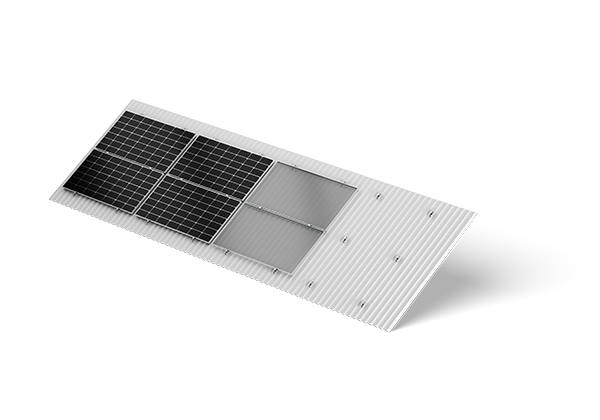
The metal roof solar mounting systems is equally important because the clamp is part of the load path connecting the PV module to the roof structure. Wind uplift, thermal movement, fastener loads, and roof-sheet condition influence performance.
Low weight can simplify handling and installation, and aluminum is widely used in PV mounting structures. However, anodizing is not a universal shield. Damage, contamination, alloy selection, and aggressive conditions can affect performance. Specifications should therefore identify the alloy, temper, anodizing requirements, and intended environment.
For coastal service, 316 is generally a stronger candidate than 304 because molybdenum improves resistance in salt-containing environments. World Stainless identifies 316 and 316L as suitable for land-based coastal applications. It also emphasizes that severe marine exposure can still cause localized corrosion or staining, making cleaning, surface finish, and site conditions relevant.
Weight is another difference. Aluminum is lighter, which can simplify handling and reduce the mass of mounting components. Stainless steel offers high strength and stiffness and can be useful where compact hardware faces demanding mechanical loads. Cost also deserves a lifecycle view: inspection, cleaning, replacement, and roof access can outweigh a lower initial unit price.
Fasteners, rails, module frames, roof sheets, washers, and protective interfaces can all influence corrosion behavior. Good drainage, clean surfaces, and adherence to manufacturer recommendations can reduce risk.
For procurement teams, specifications should cover alloy or stainless grade, finish, fastener material, structural loads, roof-profile compatibility, corrosion environment, installation requirements, and relevant testing. A complete bill of materials also helps prevent material substitutions.
The best decision comes from site-specific engineering. We should evaluate exposure, structural loads, roof compatibility, material compatibility, and lifecycle cost before approving final clamp specifications.
Our metal roof portfolio includes Base & Rail, Mini Rail, Triangle, and Adjustable Tilt systems, with pre-assembled options intended to simplify installation. We also provide project-specific design and customized production, helping engineering and procurement teams align mounting configurations with site conditions.
Why Coastal Roofs Need Careful Clamp Selection
Coastal corrosion is driven largely by chloride exposure. Salt deposits can remain on exposed hardware, especially where surfaces collect moisture or cannot be washed naturally. We therefore should not evaluate a clamp simply by asking whether its material is “corrosion resistant.” Grade, finish, geometry, and installation environment all matter.The metal roof solar mounting systems is equally important because the clamp is part of the load path connecting the PV module to the roof structure. Wind uplift, thermal movement, fastener loads, and roof-sheet condition influence performance.
How Anodized Aluminum Performs
Anodizing creates a controlled oxide layer on aluminum. The Aluminum Anodizers Council states that anodized aluminum is suitable for seawater exposure, including marine components, while noting that keeping the surface clean remains important. The process can improve corrosion and wear performance while retaining aluminum’s low density.Low weight can simplify handling and installation, and aluminum is widely used in PV mounting structures. However, anodizing is not a universal shield. Damage, contamination, alloy selection, and aggressive conditions can affect performance. Specifications should therefore identify the alloy, temper, anodizing requirements, and intended environment.
Where Stainless Steel Has an Edge
Stainless steel relies on a thin, chromium-rich passive film that forms naturally in oxygen and can regenerate when exposed to oxygen.For coastal service, 316 is generally a stronger candidate than 304 because molybdenum improves resistance in salt-containing environments. World Stainless identifies 316 and 316L as suitable for land-based coastal applications. It also emphasizes that severe marine exposure can still cause localized corrosion or staining, making cleaning, surface finish, and site conditions relevant.
Anodized Aluminum vs. Stainless Steel: Key Trade-Offs
Corrosion behavior is the first comparison. Properly anodized aluminum can perform well in marine exposure, while suitable stainless steel offers a robust passive surface. Neither should be selected by material name alone. Engineers should assess chloride exposure, salt spray, drainage, cleaning access, and expected service life.Weight is another difference. Aluminum is lighter, which can simplify handling and reduce the mass of mounting components. Stainless steel offers high strength and stiffness and can be useful where compact hardware faces demanding mechanical loads. Cost also deserves a lifecycle view: inspection, cleaning, replacement, and roof access can outweigh a lower initial unit price.
Galvanic Compatibility Deserves Attention
Aluminum and stainless steel can be used together, but designers should consider galvanic corrosion when dissimilar metals are electrically connected in salty moisture. The Nickel Institute notes that aluminum and stainless steel have been used together successfully in humid architectural applications, while also showing that galvanic effects depend on the materials and environment.Fasteners, rails, module frames, roof sheets, washers, and protective interfaces can all influence corrosion behavior. Good drainage, clean surfaces, and adherence to manufacturer recommendations can reduce risk.
Match the Clamp to the Roof and Project
Material selection should follow roof geometry and attachment strategy. Trapezoidal sheet roofs, standing seam systems, and Kliplok profiles can require different clamp or rail arrangements. Penetrative and non-penetrative approaches also have different implications for waterproofing and structural load transfer.For procurement teams, specifications should cover alloy or stainless grade, finish, fastener material, structural loads, roof-profile compatibility, corrosion environment, installation requirements, and relevant testing. A complete bill of materials also helps prevent material substitutions.
A Practical Selection Framework
For a moderately exposed coastal industrial roof, anodized aluminum can be attractive when low weight, handling efficiency, and corrosion resistance are priorities. For harsher salt exposure or applications where stainless hardware provides a mechanical or maintenance advantage, an appropriately specified stainless grade may be preferable.The best decision comes from site-specific engineering. We should evaluate exposure, structural loads, roof compatibility, material compatibility, and lifecycle cost before approving final clamp specifications.
Our Metal Roof Solutions for Coastal Projects
At Antaisolar, we apply this project-based approach to our metal roof solar mounting systems. Our metal roof solutions are designed for metal sheet roofs including Kliplok, trapezoidal, and standing seam profiles. Our current product catalog specifies AL6005-T6 for several rails and structural components, with SUS 304 fasteners; configurations vary by roof type and component.Our metal roof portfolio includes Base & Rail, Mini Rail, Triangle, and Adjustable Tilt systems, with pre-assembled options intended to simplify installation. We also provide project-specific design and customized production, helping engineering and procurement teams align mounting configurations with site conditions.
Building a Durable Coastal PV Mounting Strategy
Choosing between anodized aluminum and stainless steel clamps is ultimately an engineering decision. Anodized aluminum offers a lightweight, marine-suitable option when correctly specified and maintained, while stainless steel—particularly 316 for many coastal applications—can provide strong corrosion resistance and mechanical performance. By evaluating exposure, loads, roof profile, galvanic compatibility, installation, and lifecycle cost together, project teams can select hardware that supports dependable long-term solar operation.end