
How EPC Contractors Evaluate Commercial Solar Tracker Solutions for Utility-Scale Projects
September 11, 2026
EPC contractors evaluating a commercial solar tracker must look beyond the basic ability to follow the sun. Tracker selection affects structural design, construction schedules, energy yield, operations, maintenance, and long-term project economics. We believe the right evaluation should connect mechanical architecture, terrain adaptability, intelligent controls, weather protection, cybersecurity, and service support. This broader approach helps EPC teams select a tracker solution that can perform reliably from installation through decades of operation.
We recommend that EPC contractors establish these requirements before comparing suppliers. A suitable commercial solar tracker should accommodate the project's terrain and module configuration while supporting the required tracking range and electrical architecture. NREL's tracker research similarly identifies factors such as tracker length, mounting configuration, movement drivers, extreme-weather response, algorithms, backtracking, and slope awareness as important considerations.
This approach prevents a common procurement mistake: selecting a tracker primarily from its headline energy-yield claim without examining whether its mechanical and control architecture fits the actual project.
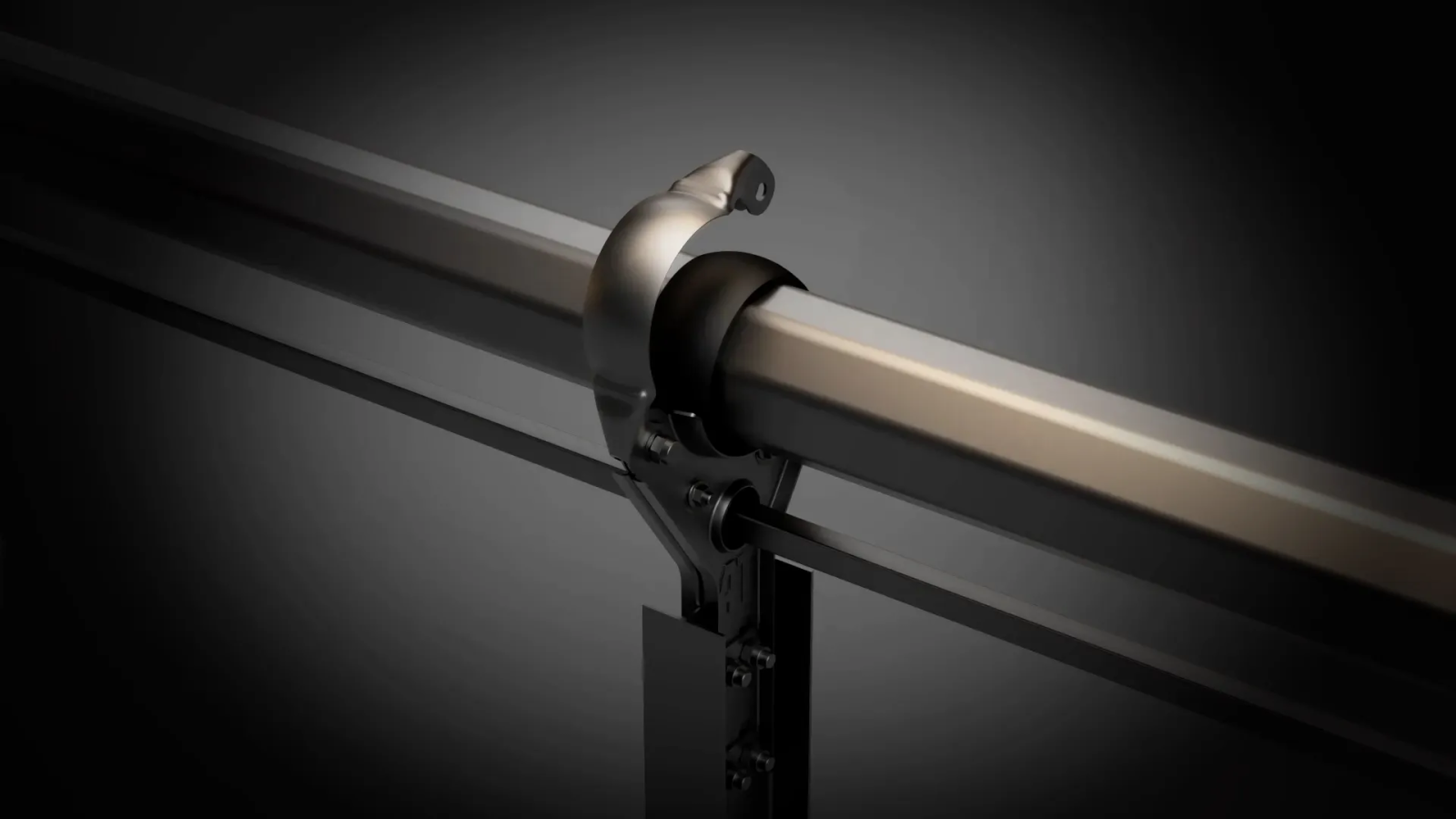
Our AT-Spark is a 1P multiple-slew-drive single-axis independent tracking system developed for utility-scale solar projects. Its multi-slew-drive configuration distributes torsional forces along the tracker row, while our self-developed octagonal torque tube is designed to improve structural efficiency. The system can reach a maximum length of 143 meters, helping reduce pile usage on suitable project designs.
Longer rows can potentially simplify site layouts and reduce foundation quantities, but EPC teams should always evaluate these benefits against site-specific structural calculations, construction access, wind conditions, and applicable design standards.
AT-Spark addresses this challenge through its patented dual-spherical bearing design. The system can adapt to north-south slopes of up to 15%, according to Antaisolar's published product information. Its quick-install bearing housing is also designed to simplify installation and disassembly, with Antaisolar reporting an improvement of approximately 25% in core component installation efficiency.
For EPC contractors, these characteristics should be evaluated as part of total installed cost rather than as isolated product features. Less site preparation and more efficient installation can influence labor requirements, construction sequencing, and overall project execution.
Our SmartTrail™ intelligent control system combines tracking algorithms with four protection modes for extreme weather. AT-Spark also uses a low-angle wind-stow strategy, and Antaisolar specifies wind resistance of up to 70 m/s for the system under its stated design basis. These capabilities are intended to reduce exposure during severe conditions while allowing normal tracking when conditions permit.
EPC teams should nevertheless verify every wind-performance claim against the project's applicable codes, site-specific wind study, terrain classification, module configuration, and structural engineering requirements.
AT-Spark supports a multi-platform software environment covering on-site networking through a mobile application, local operation through SCADA Station, and remote monitoring and maintenance through SCADA Remote. This structure can help project teams manage different operational responsibilities without depending exclusively on physical site access.
Our SmartTrail platform also uses intelligent tracking algorithms to optimize tracker positioning while incorporating weather-protection strategies. For EPC contractors and owners, this combination can provide a more integrated pathway from initial commissioning to ongoing plant operations.
AT-Spark's published information identifies IP65 and IK07 protection ratings, industrial-grade chips, and a DFMEA-based reliability design. Its safety architecture separates high- and low-voltage systems and incorporates multiple electrical protections and dual hardware-software encryption for data communication.
These details matter because a tracker failure can create consequences beyond one mechanical component. Communication interruptions, control failures, or difficult diagnostics can increase maintenance effort and potentially affect plant availability.
We provide lifecycle support for our tracking systems, including installation and commissioning training, project management, testing services, remote or on-site maintenance, and spare-parts support. Antaisolar also reports eight global delivery and service centers and 24/7 support for utility-scale projects.
For large projects, these services can reduce the gap between product performance on paper and practical performance in the field.
At Antaisolar, our tracking solutions take these project conditions into account when selecting the appropriate tracker configuration. The AT-Spark combines multi-slew-drive architecture, terrain-adaptive components, SmartTrail™ control, weather protection, and O&M functions across different platforms. Considering these elements together allows EPC contractors to compare tracker options based on site conditions, structural requirements, operational needs, and expected project performance.
Start with Project-Specific Tracker Requirements
Every utility-scale solar project presents a different engineering challenge. Site slope, module dimensions, wind conditions, foundation requirements, row length, and available construction resources can all influence tracker selection.We recommend that EPC contractors establish these requirements before comparing suppliers. A suitable commercial solar tracker should accommodate the project's terrain and module configuration while supporting the required tracking range and electrical architecture. NREL's tracker research similarly identifies factors such as tracker length, mounting configuration, movement drivers, extreme-weather response, algorithms, backtracking, and slope awareness as important considerations.
This approach prevents a common procurement mistake: selecting a tracker primarily from its headline energy-yield claim without examining whether its mechanical and control architecture fits the actual project.
Evaluate Mechanical Design, Not Just Tracking Performance
Mechanical architecture directly affects installation, structural behavior, and long-term reliability. EPC contractors should therefore examine the drive arrangement, torque tube design, bearings, tracker span, and foundation requirements together.Our AT-Spark is a 1P multiple-slew-drive single-axis independent tracking system developed for utility-scale solar projects. Its multi-slew-drive configuration distributes torsional forces along the tracker row, while our self-developed octagonal torque tube is designed to improve structural efficiency. The system can reach a maximum length of 143 meters, helping reduce pile usage on suitable project designs.
Longer rows can potentially simplify site layouts and reduce foundation quantities, but EPC teams should always evaluate these benefits against site-specific structural calculations, construction access, wind conditions, and applicable design standards.
Terrain Adaptability Can Change Project Economics
Site grading can become a major cost and schedule consideration. A tracker that requires extensive terrain preparation may reduce the economic advantages gained from higher energy production.AT-Spark addresses this challenge through its patented dual-spherical bearing design. The system can adapt to north-south slopes of up to 15%, according to Antaisolar's published product information. Its quick-install bearing housing is also designed to simplify installation and disassembly, with Antaisolar reporting an improvement of approximately 25% in core component installation efficiency.
For EPC contractors, these characteristics should be evaluated as part of total installed cost rather than as isolated product features. Less site preparation and more efficient installation can influence labor requirements, construction sequencing, and overall project execution.
Make Weather Protection Part of the Selection Process
Extreme weather protection deserves particular attention when selecting a commercial solar tracker. Wind, snow, flooding, hail, and other environmental events can create both mechanical and operational risks.Our SmartTrail™ intelligent control system combines tracking algorithms with four protection modes for extreme weather. AT-Spark also uses a low-angle wind-stow strategy, and Antaisolar specifies wind resistance of up to 70 m/s for the system under its stated design basis. These capabilities are intended to reduce exposure during severe conditions while allowing normal tracking when conditions permit.
EPC teams should nevertheless verify every wind-performance claim against the project's applicable codes, site-specific wind study, terrain classification, module configuration, and structural engineering requirements.
Compare Control and O&M Capabilities
Modern tracker selection increasingly involves software as much as hardware. A commercial solar tracker should provide practical tools for commissioning, monitoring, troubleshooting, and maintenance after construction is complete.AT-Spark supports a multi-platform software environment covering on-site networking through a mobile application, local operation through SCADA Station, and remote monitoring and maintenance through SCADA Remote. This structure can help project teams manage different operational responsibilities without depending exclusively on physical site access.
Our SmartTrail platform also uses intelligent tracking algorithms to optimize tracker positioning while incorporating weather-protection strategies. For EPC contractors and owners, this combination can provide a more integrated pathway from initial commissioning to ongoing plant operations.
Examine Reliability and Data Security
Tracker electronics operate in outdoor environments where dust, water, temperature variation, and physical impact can affect equipment reliability. EPC contractors should therefore examine protection ratings, component quality, electrical protection, and communications security alongside mechanical specifications.AT-Spark's published information identifies IP65 and IK07 protection ratings, industrial-grade chips, and a DFMEA-based reliability design. Its safety architecture separates high- and low-voltage systems and incorporates multiple electrical protections and dual hardware-software encryption for data communication.
These details matter because a tracker failure can create consequences beyond one mechanical component. Communication interruptions, control failures, or difficult diagnostics can increase maintenance effort and potentially affect plant availability.
Consider Lifecycle Support Before Awarding the Contract
A technically strong tracker still needs effective project support. EPC contractors should evaluate engineering assistance, installation training, commissioning, testing, spare parts, warranty provisions, and after-sales response before finalizing procurement.We provide lifecycle support for our tracking systems, including installation and commissioning training, project management, testing services, remote or on-site maintenance, and spare-parts support. Antaisolar also reports eight global delivery and service centers and 24/7 support for utility-scale projects.
For large projects, these services can reduce the gap between product performance on paper and practical performance in the field.
Choosing for Performance Across the Project Lifecycle
Selecting a commercial solar tracker is ultimately a multidisciplinary EPC decision. Mechanical strength, terrain adaptability, installation efficiency, weather response, intelligent control, cybersecurity, and lifecycle support should be assessed together rather than independently.At Antaisolar, our tracking solutions take these project conditions into account when selecting the appropriate tracker configuration. The AT-Spark combines multi-slew-drive architecture, terrain-adaptive components, SmartTrail™ control, weather protection, and O&M functions across different platforms. Considering these elements together allows EPC contractors to compare tracker options based on site conditions, structural requirements, operational needs, and expected project performance.
end