
Designing Agrivoltaics Mounting Systems for Optimal Sunlight Exposure
August 11, 2025
As the global demand for sustainable energy solutions continues to rise, agrivoltaics solar panels have emerged as a promising technology that combines agricultural productivity with renewable energy generation. At Antaisolar, we understand the importance of designing effective mounting systems to ensure optimal sunlight exposure for agrivoltaics solar panels. This article will explore key design considerations that maximize energy output while supporting agricultural activities.
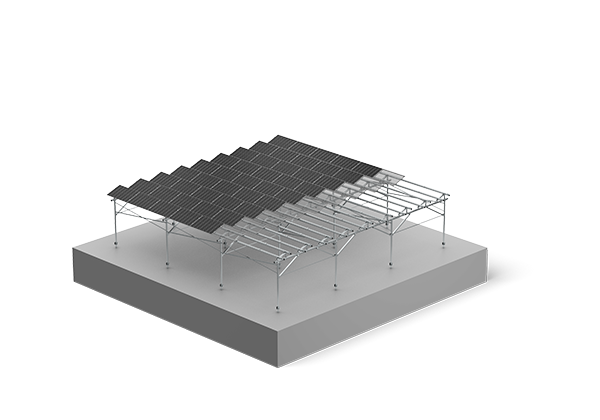
The first step in designing effective agrivoltaics solar panels is understanding the dynamics of sunlight exposure. The angle and orientation of the panels directly influence their ability to capture solar radiation. Typically, south-facing panels at an optimal tilt angle will yield the best results in the Northern Hemisphere. However, the specific conditions of each site—such as geographic location, seasonal variations, and local weather patterns—must also be considered.
In agrivoltaics systems, it is essential to balance the needs of both crops and solar panels. This means adjusting the height and spacing of the panels to ensure that crops beneath them receive adequate sunlight for growth. By conducting thorough site assessments and simulations, designers can determine the best configurations that maximize energy production without compromising agricultural yields.
The structural integrity of agrivoltaics solar panels is crucial for ensuring both longevity and performance. These systems must withstand various environmental challenges, including wind, snow loads, and potential impacts from agricultural machinery. Utilizing robust materials and engineering principles can enhance the stability of the mounting systems.
Furthermore, the design should accommodate the specific requirements of the crops being cultivated. For instance, taller mounting systems may be required for certain crops that thrive in full sunlight, while others may benefit from partial shade. By integrating these factors into the design, we can create a more effective agrivoltaics system that supports both energy generation and agricultural productivity.
Innovative mounting solutions can further enhance the effectiveness of agrivoltaics solar panels. For example, adjustable mounting systems allow for seasonal changes in panel angle, optimizing sunlight exposure throughout the year. Additionally, tracking systems that follow the sun's path can significantly increase energy capture compared to fixed installations.
Collaboration between agricultural experts and solar engineers is essential for developing these innovative solutions. By sharing knowledge and expertise, we can create systems that not only maximize energy output but also promote sustainable agricultural practices.
In conclusion, designing agrivoltaics mounting systems for optimal sunlight exposure requires a multifaceted approach that considers both energy production and agricultural needs. At Antaisolar, we are committed to advancing this field with our Agri-PV solutions, including the Integrated Array, which offers high stability and strong integrity. This ensures that agrivoltaics solar panels can thrive in diverse environments, benefiting both energy and food production.
Understanding Sunlight Dynamics
The first step in designing effective agrivoltaics solar panels is understanding the dynamics of sunlight exposure. The angle and orientation of the panels directly influence their ability to capture solar radiation. Typically, south-facing panels at an optimal tilt angle will yield the best results in the Northern Hemisphere. However, the specific conditions of each site—such as geographic location, seasonal variations, and local weather patterns—must also be considered.
In agrivoltaics systems, it is essential to balance the needs of both crops and solar panels. This means adjusting the height and spacing of the panels to ensure that crops beneath them receive adequate sunlight for growth. By conducting thorough site assessments and simulations, designers can determine the best configurations that maximize energy production without compromising agricultural yields.
Structural Design for Stability
The structural integrity of agrivoltaics solar panels is crucial for ensuring both longevity and performance. These systems must withstand various environmental challenges, including wind, snow loads, and potential impacts from agricultural machinery. Utilizing robust materials and engineering principles can enhance the stability of the mounting systems.
Furthermore, the design should accommodate the specific requirements of the crops being cultivated. For instance, taller mounting systems may be required for certain crops that thrive in full sunlight, while others may benefit from partial shade. By integrating these factors into the design, we can create a more effective agrivoltaics system that supports both energy generation and agricultural productivity.
Innovative Mounting Solutions
Innovative mounting solutions can further enhance the effectiveness of agrivoltaics solar panels. For example, adjustable mounting systems allow for seasonal changes in panel angle, optimizing sunlight exposure throughout the year. Additionally, tracking systems that follow the sun's path can significantly increase energy capture compared to fixed installations.
Collaboration between agricultural experts and solar engineers is essential for developing these innovative solutions. By sharing knowledge and expertise, we can create systems that not only maximize energy output but also promote sustainable agricultural practices.
In conclusion, designing agrivoltaics mounting systems for optimal sunlight exposure requires a multifaceted approach that considers both energy production and agricultural needs. At Antaisolar, we are committed to advancing this field with our Agri-PV solutions, including the Integrated Array, which offers high stability and strong integrity. This ensures that agrivoltaics solar panels can thrive in diverse environments, benefiting both energy and food production.
end