
Curved Tile Solar Projects: Tile Hooks or Hanger Bolts for Better Mounting?
September 29, 2026
Curved tile roofs create a different engineering challenge from flat or metal roofs. Their overlapping profiles can vary in height, valley position, thickness, and material, while the roof covering must continue to shed water. For project teams selecting a tile roof solar mounting system, the key question is not simply which fastener is stronger. We need to consider structural load transfer, tile compatibility, installation tolerance, waterproofing, labor, and serviceability.
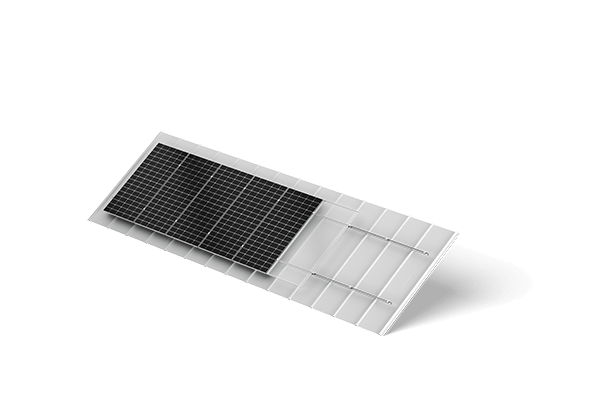
The Department of Energy recommends evaluating rooftop PV systems for roof suitability, structural strength, age, and wind exposure, while the attachment and waterproofing details must suit expected environmental loads.
Various manufacturers describe tile hooks with adjustable positioning for different flat and curved tile profiles. Similar products offer universal and tile-specific options for different shaped tiles. They can accommodate changing profiles without redesigning the entire rail system.
However, a hanger bolt does not automatically solve the geometry problem presented by curved tiles. The bracket above it still has to clear the tile profile, establish the correct rail height, and maintain alignment. Depending on the roof design, this can introduce additional components or adjustment steps. We should therefore compare the complete attachment assembly, not the bolt alone.
Hanger-bolt systems can be efficient when their layout matches standardized roof construction. Yet if the attachment point or finished height needs frequent adjustment, installers may spend more time correcting alignment. The better choice minimizes field modification while maintaining the required structural connection.
Some hook designs sit within a valley or pass through a controlled gap, reducing interference with surrounding tiles. This matters when replacement tiles are difficult to source. Proper flashing and sealing are therefore part of the mounting design, rather than details to address after the structural hardware has been selected.
For curved tile projects exposed to significant wind, engineering is even more important. The DOE notes that racking should be engineered for turbulent wind forces. A flexible hook is valuable only when its adjustment range works within the tested and engineered limits of the complete mounting system.
Hanger bolts remain practical where the roof structure and attachment geometry are standardized and the project has a proven, engineered bracket configuration. We should compare installation steps, adjustment range, waterproofing method, structural capacity, tile interference, and total installed labor before selecting an approach.
Choosing the right attachment starts with the roof, not the hardware catalog. We should first confirm the roof structure, tile profile, load requirements, waterproofing strategy, and installation constraints. Tile hooks generally offer greater adaptability when profiles vary, while hanger bolts can perform well in standardized assemblies. The best tile roof solar mounting system is the one that delivers a verified structural connection, protects the roof, and enables repeatable field installation.
Why Curved Tiles Need a Specialized Attachment
A curved tile does not provide a flat, predictable surface for mounting hardware. A suitable attachment needs to connect the PV structure to the underlying roof framing while fitting around the tile profile. During tile roof mounting, installers generally locate the rafter, place the roof hook in the tile valley, create pilot holes, and fasten the hook directly to the supporting structure. This allows the structural substrate, instead of the tile, to carry the applied loads..The Department of Energy recommends evaluating rooftop PV systems for roof suitability, structural strength, age, and wind exposure, while the attachment and waterproofing details must suit expected environmental loads.
How Tile Hooks Work on Curved Roofs
Tile hooks are shaped or adjustable brackets installed beneath or alongside tiles and secured to the roof structure. The rail then connects to the hook, creating a mounting plane above the roof covering. For curved profiles, hook geometry can be selected or adjusted to follow the tile shape.Various manufacturers describe tile hooks with adjustable positioning for different flat and curved tile profiles. Similar products offer universal and tile-specific options for different shaped tiles. They can accommodate changing profiles without redesigning the entire rail system.
Where Hanger Bolts Make Sense
Hanger bolts are threaded fasteners that can create a fixed attachment point above the roof surface, typically working with a plate, bracket, or L-foot. They can be useful where the roof construction, rafter or purlin location, and mounting geometry are well defined.However, a hanger bolt does not automatically solve the geometry problem presented by curved tiles. The bracket above it still has to clear the tile profile, establish the correct rail height, and maintain alignment. Depending on the roof design, this can introduce additional components or adjustment steps. We should therefore compare the complete attachment assembly, not the bolt alone.
Comparing Installation Flexibility and Labor
For curved tile projects, installation tolerance can directly affect field productivity and overall system alignment. A roof hook with slots, height adjustment, or multiple mounting positions gives installers greater flexibility when adapting the rail layout to different tile shapes and surface variations. These adjustment features help simplify on-site alignment, reduce installation challenges, and improve mounting efficiency while working around complex tile geometry.Hanger-bolt systems can be efficient when their layout matches standardized roof construction. Yet if the attachment point or finished height needs frequent adjustment, installers may spend more time correcting alignment. The better choice minimizes field modification while maintaining the required structural connection.
Waterproofing and Tile Protection
Water management deserves equal attention. Any roof attachment must preserve resistance to water intrusion, and installation should follow the roofing manufacturer’s and racking supplier’s requirements. Tile-hook systems commonly require tiles to be lifted or temporarily removed, followed by appropriate flashing or sealing details where specified.Some hook designs sit within a valley or pass through a controlled gap, reducing interference with surrounding tiles. This matters when replacement tiles are difficult to source. Proper flashing and sealing are therefore part of the mounting design, rather than details to address after the structural hardware has been selected.
Structural Reliability Comes First
The key comparison is how each system transfers uplift, compression, shear, and other design loads into the roof structure. The Department of Energy recommends properly rated critical fastened joints and secure connections that avoid unwanted movement or flexing. Project engineers should verify attachment capacity, fastener specifications, substrate, spacing, and applicable local requirements.For curved tile projects exposed to significant wind, engineering is even more important. The DOE notes that racking should be engineered for turbulent wind forces. A flexible hook is valuable only when its adjustment range works within the tested and engineered limits of the complete mounting system.
Which Option Is Better for Curved Tile Projects?
For projects with varied curved tile profiles, we see tile hooks as the more adaptable option. Their adjustable positioning and direct connection to the roof structure can simplify alignment without redesigning the mounting arrangement.Hanger bolts remain practical where the roof structure and attachment geometry are standardized and the project has a proven, engineered bracket configuration. We should compare installation steps, adjustment range, waterproofing method, structural capacity, tile interference, and total installed labor before selecting an approach.
Our Tile Roof Approach
At Antaisolar, we apply this project-focused approach to our tile roof solutions. Our hook system is designed for different tile roof types, including clay, concrete, and slate, with hook options intended to balance flexibility, adjustability, strength, and durability. Highly pre-assembled parts help simplify installation and reduce labor requirements. Our goal is to provide a tile roof solar mounting system that adapts to roof conditions and supports efficient installation.Choosing the right attachment starts with the roof, not the hardware catalog. We should first confirm the roof structure, tile profile, load requirements, waterproofing strategy, and installation constraints. Tile hooks generally offer greater adaptability when profiles vary, while hanger bolts can perform well in standardized assemblies. The best tile roof solar mounting system is the one that delivers a verified structural connection, protects the roof, and enables repeatable field installation.
end