
Anodized Coating Thickness Guide for Marine-Grade Roof Mount Solar Panel Brackets
September 09, 2026
Coastal rooftop photovoltaic projects expose mounting hardware to a demanding combination of salt-laden air, humidity, UV radiation, temperature changes, and wind. For procurement teams, specifying aluminum alloy alone is not enough. Surface treatment also deserves a clear technical benchmark, particularly when sourcing roof mount solar panel brackets for marine or near-marine environments. We believe buyers should evaluate anodized coating thickness together with alloy, sealing quality, testing, structural design, and the actual site conditions.
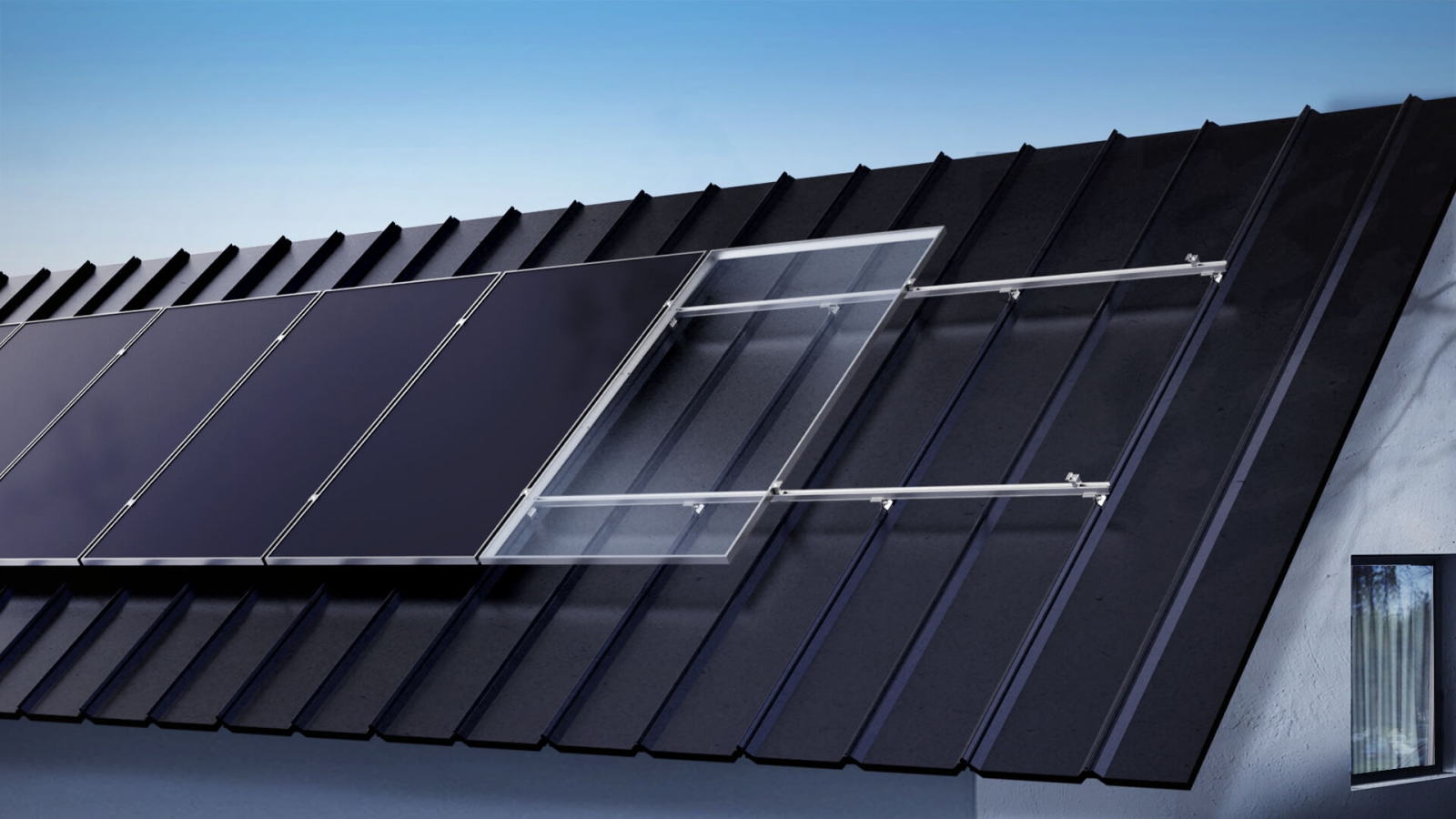
For rooftop solar structures, the anodized layer is therefore part of the long-term surface protection strategy. Scratches, handling, installation activity, and environmental exposure can gradually challenge the surface. A sufficiently specified coating can provide a stronger protective barrier, but thickness should never be treated as the only indicator of durability.
QUALANOD provides another useful way to establish procurement benchmarks. Its 2026 specifications define typical thickness classes including AA10, AA15, AA20, and AA25. Their minimum average thicknesses are respectively 10, 15, 20, and 25 microns, with minimum local thicknesses of 8, 12, 16, and 20 microns.
For demanding coastal projects, these figures provide a practical starting point for technical discussions. AA20 and AA25 can serve as useful thickness references for procurement discussions, but the appropriate class should be determined from the project's corrosion environment, aluminum alloy, applicable standards, sealing quality, and expected service conditions rather than treating either class as a universal marine-grade requirement.
That distinction matters when purchasing roof hardware. A supplier should be able to explain the anodizing specification, measurement method, sealing process, and quality-control procedure rather than simply stating “marine grade.” Procurement documents should clearly identify the required minimum or class, significant surfaces, applicable alloy, and inspection criteria.
We pay close attention to material selection in our rooftop mounting designs. Antaisolar's current roof-mounting portfolio includes components made from aluminum alloys selected for structural performance and corrosion resistance. For example, our metal-roof mounting systems use AL6006-T6, while our proprietary ANTAI 6A22-T6 alloy achieves a tensile strength of 300–335 MPa and a yield strength of 285–310 MPa according to our published product information.
These material characteristics should be considered alongside surface protection rather than evaluated independently.
The same principle applies to the structural design. Brackets and rails must transfer module loads safely into the roof while accommodating local wind and snow requirements. Our recent 20 MW rooftop project in Guangdong, for example, used a customized metal-roof mounting solution designed for a typhoon-prone coastal environment, including reinforced clamps and a 1.2 mm-thick H-shaped aluminum rail.
This illustrates why surface treatment should form part of a broader engineering specification rather than serve as a standalone purchasing criterion.
We recommend that project procurement teams request coating-thickness inspection records, define the measurement standard, and confirm that the delivered components correspond to the approved material and finishing specification. Where the project is exposed to particularly aggressive conditions, buyers should also consider broader corrosion testing and compatibility between dissimilar metals.
This approach makes supplier comparisons more objective. Instead of accepting a vague “marine-grade anodized aluminum” claim, procurement teams can compare measurable coating requirements, alloy specifications, structural calculations, testing evidence, and warranty conditions.
Our metal-roof solutions include base-and-rail, mini-rail, triangle, and adjustable-tilt configurations. We also use pre-assembled components where appropriate to simplify installation and reduce site labor.
For buyers sourcing roof mount solar panel brackets, this broader engineering approach matters. Material selection, anodized protection, connection design, roof compatibility, load requirements, and installation methods must work together to deliver dependable performance.
We recommend treating these figures as procurement references rather than automatic guarantees of service life. At Antaisolar, we combine material engineering, customized roof mounting design, corrosion-conscious component selection, and project-specific engineering to create solutions suited to different environments. For long-term rooftop PV performance, the strongest specification is one that evaluates the entire system—not anodizing thickness in isolation.
Why Anodizing Thickness Matters for Rooftop Solar
Anodizing creates a controlled oxide layer on an aluminum surface. The Aluminum Anodizers Council identifies corrosion resistance and abrasion resistance among the properties associated with anodized finishes, while emphasizing that coating thickness is an important specification. Thickness may be expressed in microns, mils, or inches. One mil is approximately 25 microns.For rooftop solar structures, the anodized layer is therefore part of the long-term surface protection strategy. Scratches, handling, installation activity, and environmental exposure can gradually challenge the surface. A sufficiently specified coating can provide a stronger protective barrier, but thickness should never be treated as the only indicator of durability.
Marine-Grade Benchmarks for Roof Mount Solar Panel Brackets
There is no universal anodizing thickness that automatically makes a bracket “marine-grade.” The Aluminum Anodizers Council lists 0.7–1.2 mil, approximately 18–30 microns, for marine products under its Architectural Class I finish guidance. It also notes that outdoor anodized products are commonly specified at minimum thicknesses of 0.0004 or 0.0007 inch, depending on the application.QUALANOD provides another useful way to establish procurement benchmarks. Its 2026 specifications define typical thickness classes including AA10, AA15, AA20, and AA25. Their minimum average thicknesses are respectively 10, 15, 20, and 25 microns, with minimum local thicknesses of 8, 12, 16, and 20 microns.
For demanding coastal projects, these figures provide a practical starting point for technical discussions. AA20 and AA25 can serve as useful thickness references for procurement discussions, but the appropriate class should be determined from the project's corrosion environment, aluminum alloy, applicable standards, sealing quality, and expected service conditions rather than treating either class as a universal marine-grade requirement.
Thickness Alone Does Not Define Corrosion Performance
A thicker coating is not automatically a better mounting solution. QUALANOD identifies coating quality and sealing quality alongside coating thickness as important product-quality criteria. Its guidance also shows that environmental conditions influence coating degradation over time.That distinction matters when purchasing roof hardware. A supplier should be able to explain the anodizing specification, measurement method, sealing process, and quality-control procedure rather than simply stating “marine grade.” Procurement documents should clearly identify the required minimum or class, significant surfaces, applicable alloy, and inspection criteria.
Match the Surface Treatment to the Aluminum Alloy
The substrate and surface treatment work together. Different aluminum alloys respond differently to anodizing, and ISO 7599 specifically addresses the importance of selecting suitable aluminum grades and appropriate pretreatment when specifying protective anodic oxidation coatings.We pay close attention to material selection in our rooftop mounting designs. Antaisolar's current roof-mounting portfolio includes components made from aluminum alloys selected for structural performance and corrosion resistance. For example, our metal-roof mounting systems use AL6006-T6, while our proprietary ANTAI 6A22-T6 alloy achieves a tensile strength of 300–335 MPa and a yield strength of 285–310 MPa according to our published product information.
These material characteristics should be considered alongside surface protection rather than evaluated independently.
Consider the Entire Coastal Roof Environment
A coastal installation is not defined solely by its distance from the sea. Salt exposure, industrial pollutants, humidity, rainfall, temperature cycling, roof material, and maintenance conditions can all affect mounting components.The same principle applies to the structural design. Brackets and rails must transfer module loads safely into the roof while accommodating local wind and snow requirements. Our recent 20 MW rooftop project in Guangdong, for example, used a customized metal-roof mounting solution designed for a typhoon-prone coastal environment, including reinforced clamps and a 1.2 mm-thick H-shaped aluminum rail.
This illustrates why surface treatment should form part of a broader engineering specification rather than serve as a standalone purchasing criterion.
Specify Testing and Quality Verification
For professional buyers, the most useful specification is one that can be verified. ISO 7599 establishes methods for specifying anodized aluminum coatings and includes requirements and testing methods for characteristic coating properties.We recommend that project procurement teams request coating-thickness inspection records, define the measurement standard, and confirm that the delivered components correspond to the approved material and finishing specification. Where the project is exposed to particularly aggressive conditions, buyers should also consider broader corrosion testing and compatibility between dissimilar metals.
This approach makes supplier comparisons more objective. Instead of accepting a vague “marine-grade anodized aluminum” claim, procurement teams can compare measurable coating requirements, alloy specifications, structural calculations, testing evidence, and warranty conditions.
Antaisolar's Approach to Durable Roof Solar Mounting
We design our roof solar mounting portfolio around different roof structures and project conditions rather than relying on a single universal configuration. Our solutions cover metal roofs, tile roofs, flat roofs, and BIPV applications, with engineering support for customized designs and production.Our metal-roof solutions include base-and-rail, mini-rail, triangle, and adjustable-tilt configurations. We also use pre-assembled components where appropriate to simplify installation and reduce site labor.
For buyers sourcing roof mount solar panel brackets, this broader engineering approach matters. Material selection, anodized protection, connection design, roof compatibility, load requirements, and installation methods must work together to deliver dependable performance.
Making the Right Anodizing Specification
Anodized coating thickness is a valuable benchmark when sourcing aluminum rooftop mounting components, particularly for marine and coastal projects. Industry guidance places marine architectural finishes around 18–30 microns, while QUALANOD provides standardized thickness classes that can help buyers establish measurable requirements.We recommend treating these figures as procurement references rather than automatic guarantees of service life. At Antaisolar, we combine material engineering, customized roof mounting design, corrosion-conscious component selection, and project-specific engineering to create solutions suited to different environments. For long-term rooftop PV performance, the strongest specification is one that evaluates the entire system—not anodizing thickness in isolation.
end